
Instagram Advertising Strategies That Drive Sales
Instagram has evolved from a photo-sharing platform into one of the most powerful marketing channels for businesses. With billions of active users and highly engaging content formats, Instagram offers brands an incredible opportunity to reach potential customers, build relationships, and drive sales.
However, simply running ads is not enough. To achieve profitable results, businesses need a well-planned Instagram advertising strategy that focuses on targeting, creativity, and conversion optimization.
In this guide, we’ll explore the most effective Instagram advertising strategies that can help businesses generate leads, increase sales, and maximize return on investment (ROI).

Why Instagram Advertising Matters
Instagram is one of the most visually engaging social media platforms. Consumers use Instagram not only to connect with friends but also to discover new brands, products, and services.
With advanced targeting capabilities provided by Meta Ads, businesses can reach specific audiences based on demographics, interests, behaviors, and purchase intent.
This makes Instagram advertising a valuable tool for businesses looking to grow their customer base and increase revenue.
1. Define Clear Advertising Goals
Before launching an Instagram campaign, it’s essential to define your objectives.
Common goals include:
- Brand awareness
- Website traffic
- Lead generation
- App downloads
- Product sales
- Customer engagement
Having a clear objective helps you choose the right campaign type and measure success more effectively.

2. Know Your Target Audience

One of the biggest reasons Instagram campaigns fail is poor audience targeting.
Businesses should analyze their ideal customers based on:
- Age
- Gender
- Location
- Interests
- Online behavior
- Purchasing habits
Meta’s audience targeting tools allow advertisers to reach highly relevant users who are more likely to convert into customers.
3. Use High-Quality Visual Content
Instagram is a visual platform, so the quality of your creatives plays a significant role in campaign performance.
Use:
- Professional product photos
- Lifestyle images
- Short-form videos
- Reels
- Customer testimonials
- User-generated content
Eye-catching visuals help stop users from scrolling and encourage them to engage with your advertisement.

4. Leverage Instagram Reels Ads
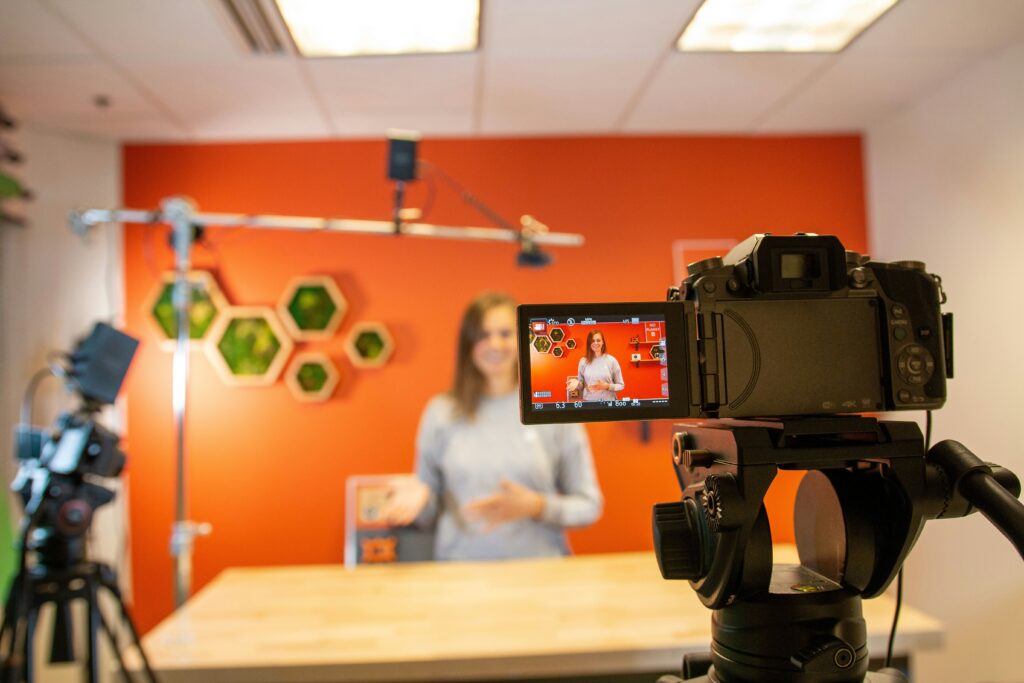

Short-form video content continues to dominate social media.
Instagram Reels Ads allow businesses to showcase products, demonstrate features, and tell compelling brand stories in an engaging format.
Reels often receive higher engagement rates than traditional image ads, making them an effective tool for increasing reach and sales.
5. Create Compelling Ad Copy


Even the best visuals need strong messaging.
Your ad copy should:
- Address customer pain points
- Highlight key benefits
- Create urgency
- Include a clear call-to-action (CTA)
Examples include:
- Shop Now
- Learn More
- Get Started
- Book a Consultation
Clear and persuasive copy helps guide users toward taking action.
6. Utilize Retargeting Campaigns

Most users do not make a purchase the first time they interact with your brand.
Retargeting allows businesses to show ads to people who have:
- Visited the website
- Viewed products
- Added items to their cart
- Engaged with Instagram content
Retargeting campaigns often produce higher conversion rates because they target warm audiences already familiar with your business.
7. Optimize Landing Pages

Your Instagram ad is only the first step. Once users click the ad, they should arrive at a fast, mobile-friendly, and conversion-focused landing page.
A high-performing landing page should include:
- Clear headlines
- Strong value propositions
- Customer reviews
- Easy navigation
- Simple contact forms
- Prominent call-to-action buttons
A seamless user experience significantly improves conversion rates.
8. Use Social Proof to Build Trust
Consumers trust recommendations from other customers more than traditional advertising.
Include:
- Customer testimonials
- Reviews
- Ratings
- Case studies
- User-generated content
Social proof builds credibility and reduces hesitation during the buying process.

9. Test Multiple Ad Variations

Successful advertisers continuously test different ad elements.
Experiment with:
- Headlines
- Images
- Videos
- Audience segments
- Call-to-action buttons
A/B testing helps identify which combinations deliver the best results and highest return on investment.
10. Monitor and Optimize Performance


Regular campaign monitoring is essential for long-term success.
Key metrics to track include:
- Reach
- Impressions
- Click-through rate (CTR)
- Cost per click (CPC)
- Conversion rate
- Return on ad spend (ROAS)
Analyzing performance data allows businesses to make informed decisions and improve campaign profitability.
Conclusion
Instagram advertising has become an essential growth channel for businesses looking to increase visibility, generate leads, and drive sales. However, success requires more than simply boosting posts.
By defining clear goals, targeting the right audience, creating compelling content, leveraging retargeting, and continuously optimizing campaigns, businesses can maximize their advertising investment and achieve sustainable growth.
When combined with strong landing pages and data-driven decision-making, Instagram Ads can become one of the most profitable marketing channels for your business.

1. Are Instagram Ads effective for small businesses?
Yes. Instagram Ads offer advanced targeting and flexible budgets, making them highly effective for small businesses.
2. How much should I spend on Instagram Ads?
The budget depends on your goals, industry, and competition. Many businesses start with a small budget and scale based on performance.
3. What type of Instagram Ads perform best?
Reels Ads, Carousel Ads, and Video Ads often deliver strong engagement and conversion rates.
4. How can I improve Instagram Ad conversions?
Use compelling creatives, clear CTAs, optimized landing pages, and retargeting campaigns to improve conversions.
5. What is Instagram retargeting?
Retargeting involves showing ads to users who have previously interacted with your website, products, or Instagram profile.
6. How long does it take to see results from Instagram Ads?
Many businesses start seeing engagement and traffic within a few days, while conversion-focused campaigns may take longer to optimize.
7. Are Instagram Ads better than Facebook Ads?
Both platforms are effective. The best choice depends on your target audience, business goals, and marketing strategy.
8. How do I measure Instagram Ad success?
Track metrics such as CTR, CPC, conversions, leads, sales, and ROAS to evaluate campaign performance.